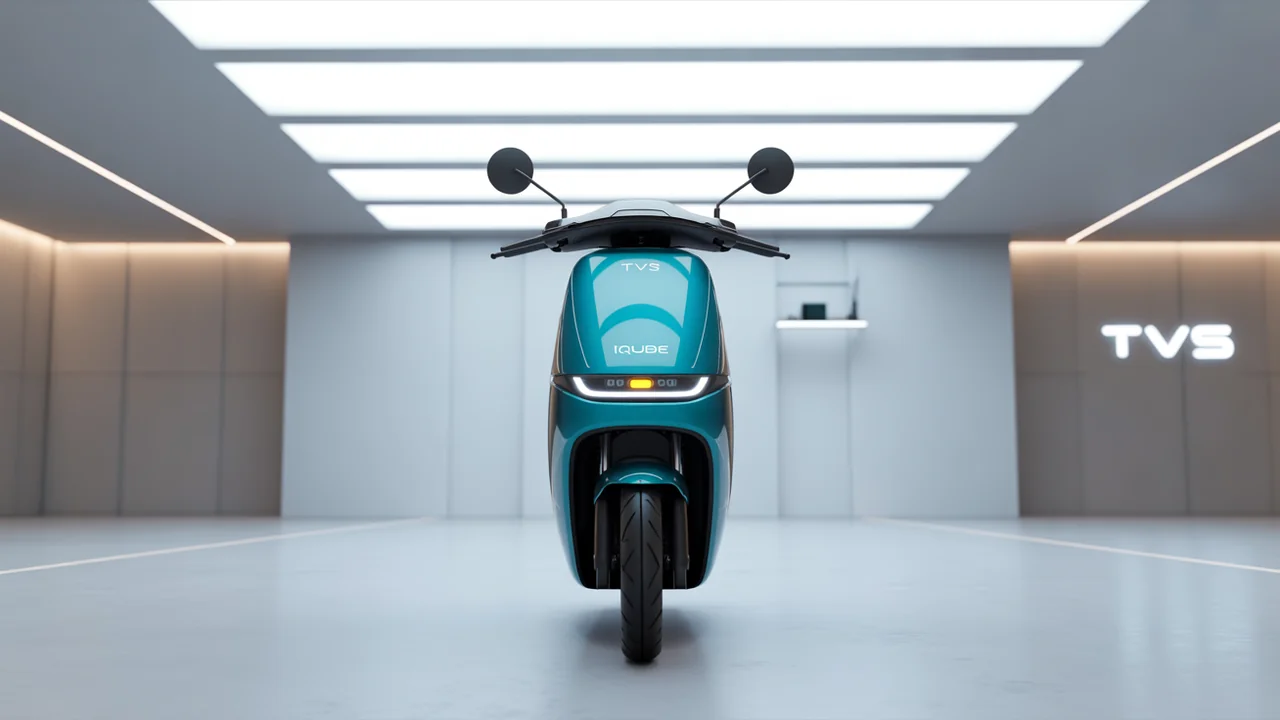
TVS iQube 2026 targets everyday urban commuting
TVS Motor has updated its iQube electric scooter lineup for 2026, aiming to make daily city travel simpler for riders who want an EV without changing their routine too much. The model is positioned as an urban-focused scooter, built around predictable range, practical features, and straightforward usability.
The headline figure being discussed is an estimated range of around 145 km, which places the scooter in a zone that can cover many commuters for multiple days between charges, depending on riding style and traffic conditions.
Around 145 km range: what it means in real-world use
A claimed range of roughly 145 km suggests the 2026 iQube is designed to reduce “range anxiety” for city riders who mix short errands with regular office runs. For many users, that could translate into fewer charging sessions each week.
Actual distance per charge will still vary based on speed, load, tire pressure, road conditions, and the frequency of stop-and-go traffic. Riders can expect the usable range to differ from marketing numbers, especially in colder weather or with aggressive acceleration.
Built for city conditions rather than long highway runs
The iQube’s core use case remains urban mobility—short-to-medium distances, frequent braking, and tight parking spaces. Electric scooters typically benefit in this environment because regenerative braking and lower average speeds can help stretch range.
For riders who spend more time on faster roads, energy use tends to increase, which can reduce the distance covered per charge.
Charging and day-to-day practicality
Charging convenience continues to be one of the key factors for EV adoption. A scooter offering around 145 km range can make home charging more manageable by spreading out charging sessions, particularly for users without dedicated parking chargers.
Buyers generally look at charging time, charger type, and service access alongside range. These factors often matter just as much as the top-line distance figure when choosing an electric two-wheeler.
Why this update matters for wider EV adoption
Electric scooters have become an entry point into EV ownership for many households because they are typically cheaper to run than fuel-powered alternatives and are well-suited for dense city travel. A longer-range variant can broaden the appeal to riders who previously felt an EV wouldn’t fit their schedule.
More options in the practical range bracket may also encourage fleet and delivery users to consider switching, provided charging access and uptime requirements can be met.
What to watch: pricing, variants, and availability
As with most model-year updates, market response will depend on pricing, variant strategy, and how easy it is to test ride and service the scooter locally. Battery warranty terms and real-world reliability will also influence buyer confidence over time.
Potential buyers are likely to compare the iQube’s range and features against other electric scooters in the same segment, alongside the maturity of charging infrastructure in their city.

FAQs
Is the 145 km figure a real-world range?
It is typically an estimated or claimed range. Real-world distance can be lower or higher depending on speed, traffic, rider weight, road conditions, and weather.
Who is the 2026 TVS iQube best suited for?
It is primarily aimed at urban commuters who want predictable daily travel with fewer charging stops and easy maneuverability in city traffic.
Will longer range reduce charging frequency?
For many users, yes. If daily use is modest, a higher estimated range can mean charging every few days rather than every day.
What should buyers check besides range?
Charging time and method, battery warranty, service network, ride comfort, and total cost of ownership are key factors to review before purchasing.