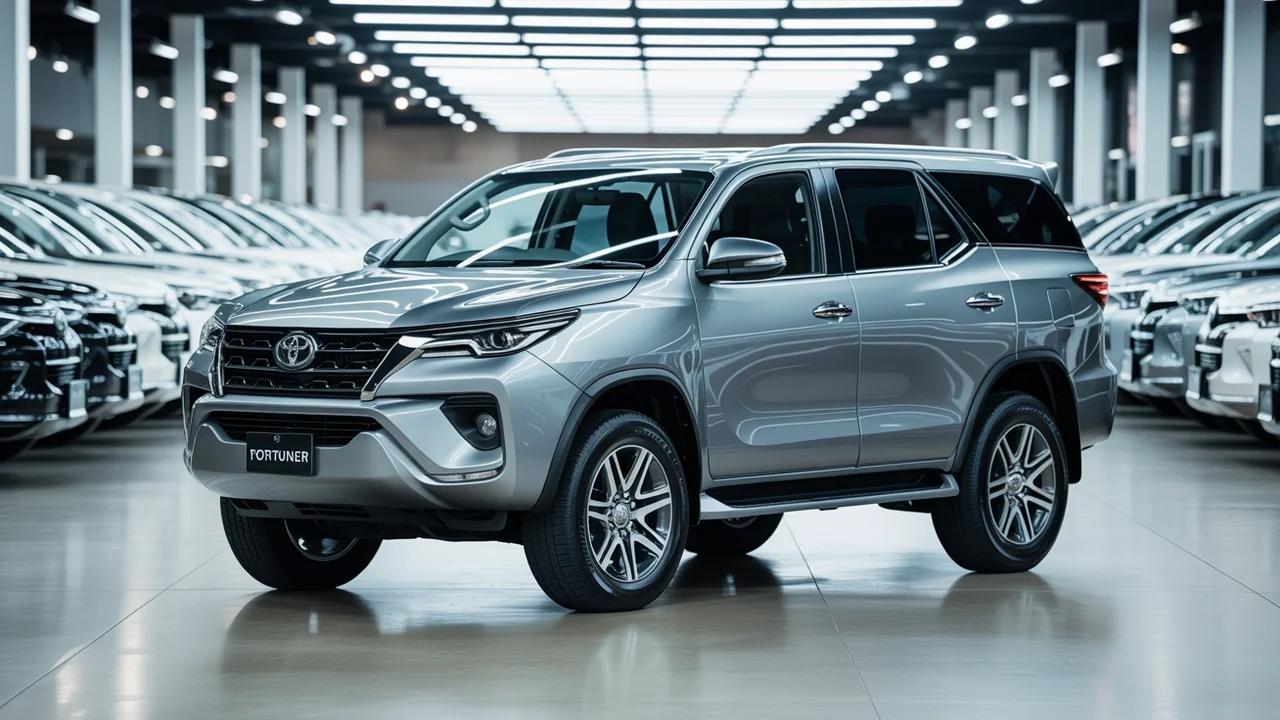
Toyota Fortuner 2026 stays in the premium SUV conversation
The Toyota Fortuner has long been positioned as a ladder-frame SUV with a premium badge in many markets, and the 2026 model year keeps that reputation intact. While styling and features can shift over time, the Fortuner’s core appeal remains familiar: road presence, durability, and a powertrain setup aimed at buyers who want strength over soft-road comfort.
Strong engine focus remains central
For 2026, the Fortuner continues to be associated with strong engine performance, especially in variants built around higher-torque diesel options. Depending on the market, buyers can expect configurations that prioritize pulling power and confident highway cruising rather than outright efficiency-first tuning.
The Fortuner’s body-on-frame platform also supports the kind of drivetrain pairing many owners look for—automatic and manual choices (market dependent), along with rear-wheel-drive or four-wheel-drive availability.
Claimed 14 kmpl mileage draws attention
Fuel economy is rarely the headline for large, heavy SUVs, but the Fortuner’s reported figure of around 14 kmpl has become a talking point. Real-world mileage can vary widely based on traffic, driving style, load, tyre condition, and whether the vehicle is running in 2WD or 4WD settings.
Still, the number suggests Toyota is trying to balance performance with more practical running costs—an important factor for buyers who use the Fortuner as a daily driver in addition to long trips.
Ride, size, and the “premium” feel
The Fortuner’s premium SUV status is also tied to its size and commanding seating position. A high ground clearance and a tall cabin give it a distinct on-road presence, while the overall build is aimed at handling rougher conditions than typical crossovers.
That said, the ladder-frame setup can feel firmer than monocoque SUVs on broken city roads. Buyers choosing the Fortuner often do so knowing it leans toward toughness and long-term dependability rather than car-like ride softness.

Features and cabin expectations
Equipment levels for the 2026 Fortuner can differ by region and trim, but the model typically competes with a mix of practical and premium touches—infotainment, connected features, and comfort upgrades on higher variants. Safety features and driver assistance offerings also depend on local regulations and variant positioning.
For many shoppers, the decision comes down to whether the Fortuner’s proven mechanical reputation outweighs newer rivals that may offer more screens, softer suspension tuning, or extra tech at a similar price point.
Positioning against newer rivals
The Fortuner continues to appeal to buyers who value reliability, resale strength, and a traditional SUV feel. Even as competitors push toward more urban-focused design and hybrid options, the Fortuner’s formula stays consistent: a capable platform, a strong engine, and a straightforward premium image built over years.

FAQs
Is the Toyota Fortuner 2026 a new-generation model?
That depends on the market. Toyota often updates the Fortuner in phases, and the level of change can vary by region and trim.
Does the Fortuner 2026 really deliver 14 kmpl?
Around 14 kmpl is commonly reported/claimed in some conditions, but real-world results depend on driving style, traffic, terrain, and vehicle load.
Which is better for most buyers: 2WD or 4WD?
2WD typically suits regular city and highway use with lower running complexity, while 4WD is better for frequent rough roads, trails, or challenging weather.
What makes the Fortuner feel “premium” compared with other SUVs?
Its strong road presence, higher trims with comfort features, and a long-standing reputation for durability and resale value contribute to its premium positioning.