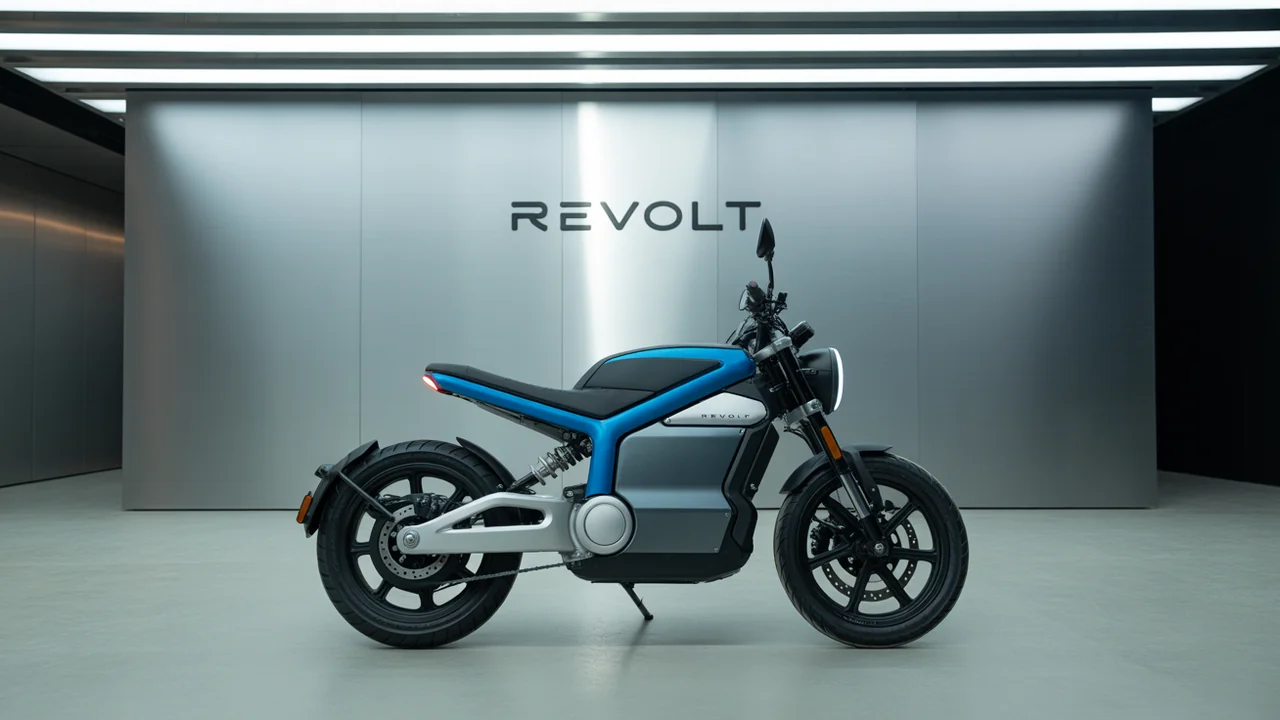
Revolt RV400 2026 update keeps attention on city riders
The Revolt RV400 continues into 2026 with a familiar formula aimed squarely at urban commuting. Rather than chasing headline-grabbing performance numbers, the electric motorcycle’s appeal remains tied to everyday practicality—compact proportions, easy maneuvering in traffic, and running costs that can undercut petrol alternatives.
With more cities pushing for cleaner mobility and more riders considering electric options for short-to-medium daily routes, the RV400’s positioning looks designed to stay relevant without a dramatic reinvention.
Urban focus remains the core of the package
The RV400 is still best understood as a city-first motorcycle. Its size and stance suit frequent stops, tight parking, and quick turns, which are common realities for commuters.
For buyers comparing electric two-wheelers, that focus matters because real-world usability often depends less on top speed and more on how comfortable the bike feels in dense traffic and on rougher patches of road.
150 km claimed range targets daily commutes
A headline figure attached to the 2026 RV400 is a claimed range of around 150 km. On paper, that number puts it in a zone that can cover many riders’ weekly commuting needs with less frequent charging—depending on route, speed, load, and riding style.
As with most EVs, actual distance between charges can vary widely. City stop-and-go riding may help efficiency in some situations, while sustained higher speeds or heavy loads typically reduce range.
Practical considerations: charging, routine, and expectations
For many prospective owners, the more important question is how the RV400 fits into a charging routine. Riders with access to home charging or a reliable workplace socket often find day-to-day ownership simpler than those relying on public infrastructure.
The RV400’s continued presence also reflects a broader trend: electric motorcycles are increasingly judged by convenience and predictability—how often they need charging, how consistently they deliver range, and how easy they are to live with in a crowded city.
Where it fits in an evolving electric two-wheeler market
Competition in the electric two-wheeler space has expanded, with brands offering different mixes of speed, battery capacity, connected features, and pricing strategies. In that environment, the RV400’s approach looks steady: it remains a commuter-centric option rather than a performance-led product.
That may resonate with riders who want an electric motorcycle primarily as a replacement for a daily petrol bike, especially for routine trips where predictable running costs and lower maintenance expectations are key decision factors.
FAQs
What is the claimed range of the Revolt RV400 2026?
It is reported with a claimed range of around 150 km, though real-world range can vary based on riding conditions.
Is the RV400 mainly designed for city use?
Yes. Its overall positioning and practical focus align more with urban commuting than long-distance touring.
Will the RV400’s real-world range match the claim?
Not always. Speed, traffic patterns, temperature, payload, and riding style can significantly affect actual distance per charge.
What should buyers consider before choosing it?
Charging access and daily travel patterns are crucial—especially whether you can reliably charge at home or work.