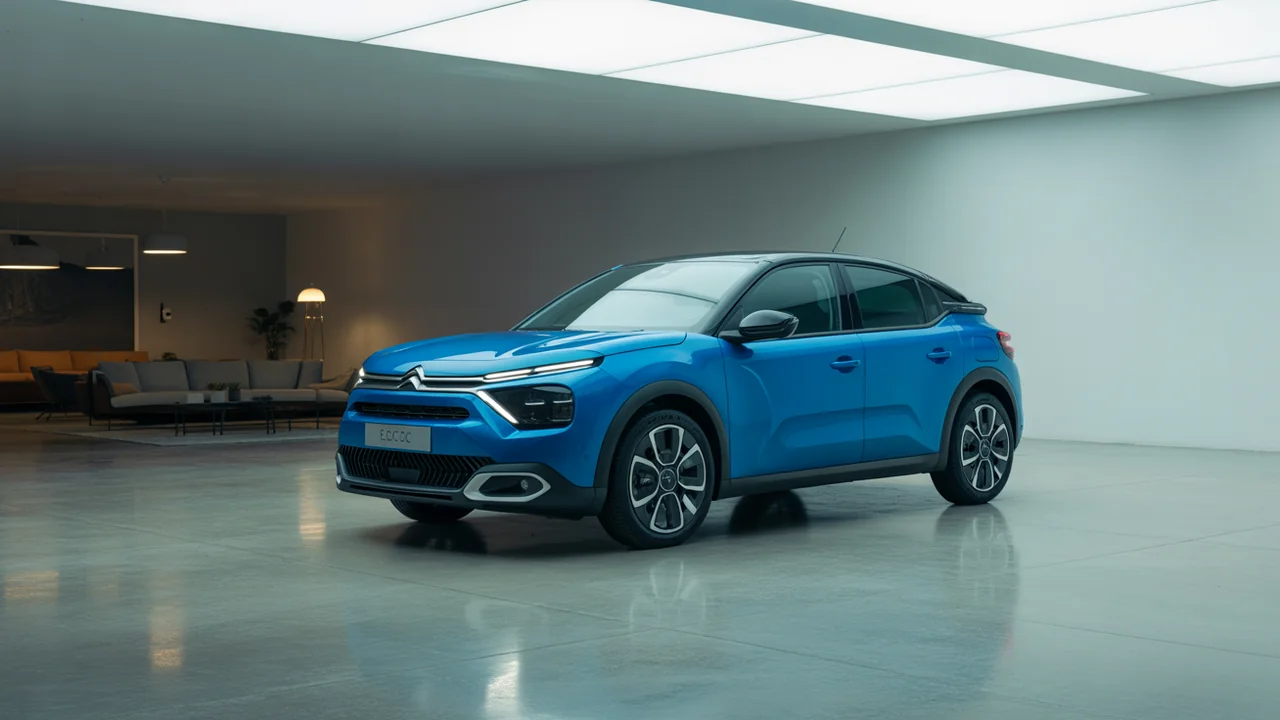
Citroën eC3 2026 draws attention in the budget EV space
The Citroën eC3 2026 is gaining interest among buyers looking for a lower-cost electric car option, as more markets push toward electrification. The model is being discussed as a practical urban EV that aims to keep pricing in check while still offering everyday usability.
Much of the attention centers on its claimed driving range and the idea that smaller, simpler EVs could broaden adoption beyond early adopters and premium segments.
Claimed 320 km range becomes a key talking point
Citroën’s eC3 is associated with a claimed range of around 320 km, a figure that has become a focal point in coverage and online discussions. For many potential buyers, the number is appealing because it suggests the car could handle regular commuting and some longer trips without constant charging.
As with any EV, real-world range typically varies based on speed, temperature, terrain, passenger load, and use of heating or air conditioning. Buyers generally look for standardized test details to understand how the claim translates to daily driving.
Why affordability matters in 2026
Price remains one of the biggest barriers to EV adoption, especially for first-time electric buyers and households shopping in the small-car category. A more affordable EV can attract drivers who want lower running costs but have been put off by higher upfront prices.
If the eC3 continues to be positioned as a value-focused electric hatchback, it may compete less on premium features and more on essentials like range, practicality, and ownership costs.
Positioning: city-friendly size with mainstream expectations
The eC3 is often discussed as a compact option meant for dense urban areas, where shorter trips and easier parking are priorities. At the same time, many buyers now expect compact EVs to be versatile enough for occasional highway use and weekend travel.
This has made range, charging convenience, and day-to-day comfort central to public interest, even for entry-level electric models.
Charging and ownership considerations remain important
Interest in the eC3 also reflects broader questions drivers ask before switching to electric: how quickly it can charge, what home charging setup might be needed, and how charging costs compare with fuel prices in their area.
Availability of public charging, warranty coverage, and service support can also influence whether a budget EV feels like a safe long-term purchase.
What to watch next
As the 2026 model year approaches, shoppers will likely focus on confirmed specifications, pricing, and market availability. Details such as final range figures under specific test cycles, charging speeds, and standard equipment will shape whether the eC3 becomes a standout option or simply one of many affordable EV choices.

FAQs
Is the 320 km range a real-world number?
It is typically a claimed figure based on a standardized test cycle; real-world range can be lower or higher depending on driving conditions and temperature.
Who is the Citroën eC3 2026 aimed at?
It is mainly attracting interest from buyers who want an affordable, compact EV for commuting and everyday city use.
What factors most affect EV range in daily driving?
High speeds, cold weather, aggressive acceleration, heavy loads, and frequent use of heating or air conditioning can reduce range.
What details do buyers usually wait for before deciding?
Final pricing, official range certification by market, charging speed specifications, standard equipment lists, and warranty terms.