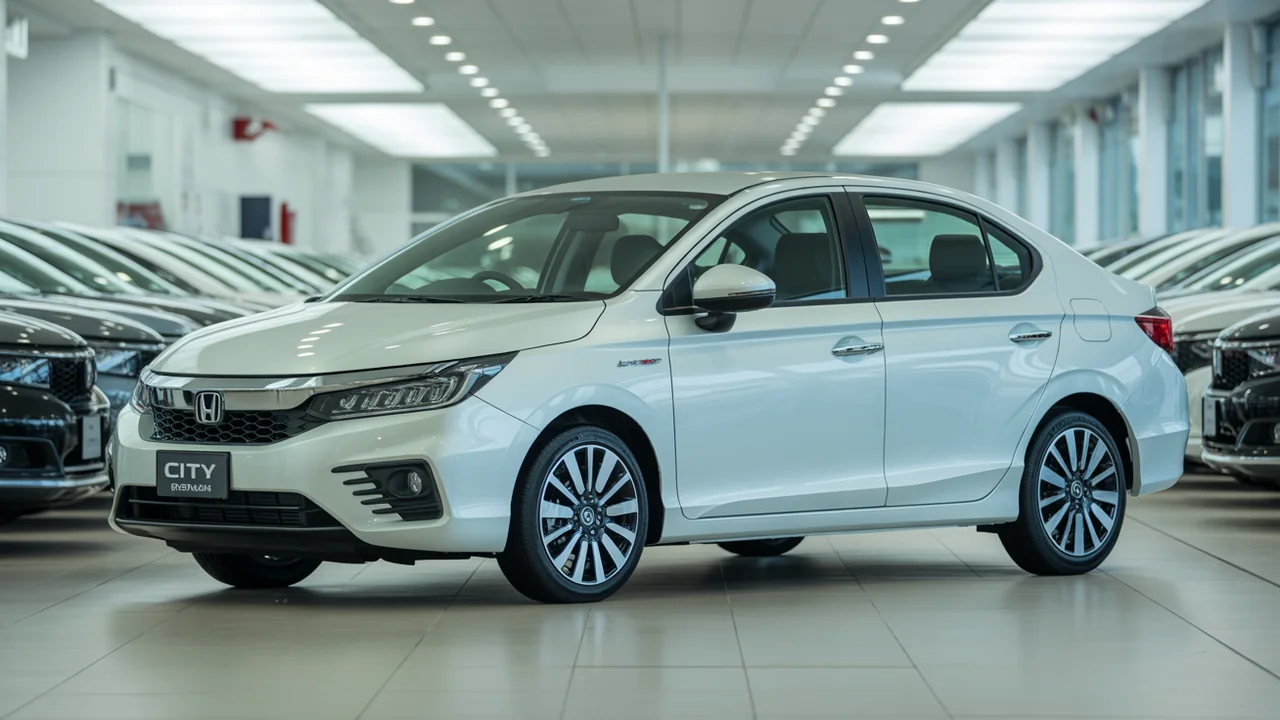
Honda City Hybrid 2026 Draws Attention for Fuel Economy
The Honda City Hybrid 2026 is gaining popularity in several markets as more buyers look for ways to cut fuel costs without moving to a fully electric car. Interest has been driven largely by its reported combined fuel efficiency figure of around 27 kmpl, a number that stands out in the midsize sedan category.
Owners and shoppers are increasingly factoring day-to-day running costs into purchase decisions, especially in cities where traffic congestion can push fuel consumption higher. The hybrid setup is being seen as a practical middle option between conventional petrol cars and EVs.
Reported Combined Mileage of 27 kmpl Becomes a Key Talking Point
The combined 27 kmpl mileage figure is frequently cited by buyers comparing sedans and compact SUVs. In mixed driving—typically a blend of stop-and-go city use and steady highway cruising—many shoppers view a high combined rating as more relevant than separate city or highway claims.
Actual fuel economy can still vary based on driving style, road conditions, climate, vehicle load, and maintenance. Even so, strong combined numbers are helping the model stand out among fuel-conscious customers.
Why Hybrid Cars Can Save Fuel in Daily Traffic
Hybrid vehicles usually gain an advantage in urban environments because they can rely more on electric assistance at low speeds and during frequent starts and stops. Regenerative braking, which recovers some energy during braking and deceleration, can also improve efficiency in traffic-heavy commutes.
For many drivers, the appeal is not only the potential for fewer fuel stops but also smoother low-speed driving characteristics often associated with hybrid systems.
Buyer Interest Linked to Running Costs and Long-Term Value
Rising interest in the City Hybrid is also tied to how buyers evaluate long-term ownership. Fuel savings are one part of the equation, while expected service schedules, battery warranty coverage, and resale demand also shape decision-making.
In some regions, hybrids may benefit from incentives or lower registration costs, which can further influence comparisons with conventional petrol models. Availability and pricing, however, can differ significantly by market.

Competition in the Midsize Segment Remains Strong
The midsize sedan segment continues to face pressure from compact SUVs, but fuel efficiency remains a reason some buyers stick with sedans. With the City Hybrid 2026 being discussed for its combined 27 kmpl figure, the model is being positioned by shoppers as a sensible option for high-mileage users such as office commuters and fleet operators.
Industry watchers note that hybrid demand tends to rise when fuel prices are volatile, as consumers look for predictable operating costs without changing charging habits.
What to Watch: Real-World Mileage and Ownership Experience
As the Honda City Hybrid 2026 reaches more customers, attention is likely to shift from headline mileage to real-world results. Prospective buyers commonly look for independent tests, owner-reported figures, and long-term reliability feedback before making a final decision.
For now, the reported combined 27 kmpl efficiency remains the main driver of interest, especially among buyers prioritizing fuel savings over performance upgrades or larger vehicle footprints.
FAQs
1) What does “combined 27 kmpl” mean?
It refers to an estimated fuel efficiency figure measured across a mix of city and highway driving rather than only one type of route.
2) Will every driver get 27 kmpl in real conditions?
Not necessarily. Real-world mileage can vary depending on traffic, driving style, weather, road conditions, and maintenance.
3) Why do hybrids often perform better in city traffic?
They can use electric assistance at low speeds and recover energy through regenerative braking during frequent stops.
4) Is the Honda City Hybrid 2026 meant to replace an EV?
It is typically seen as an alternative for drivers who want better fuel economy without relying on charging infrastructure.