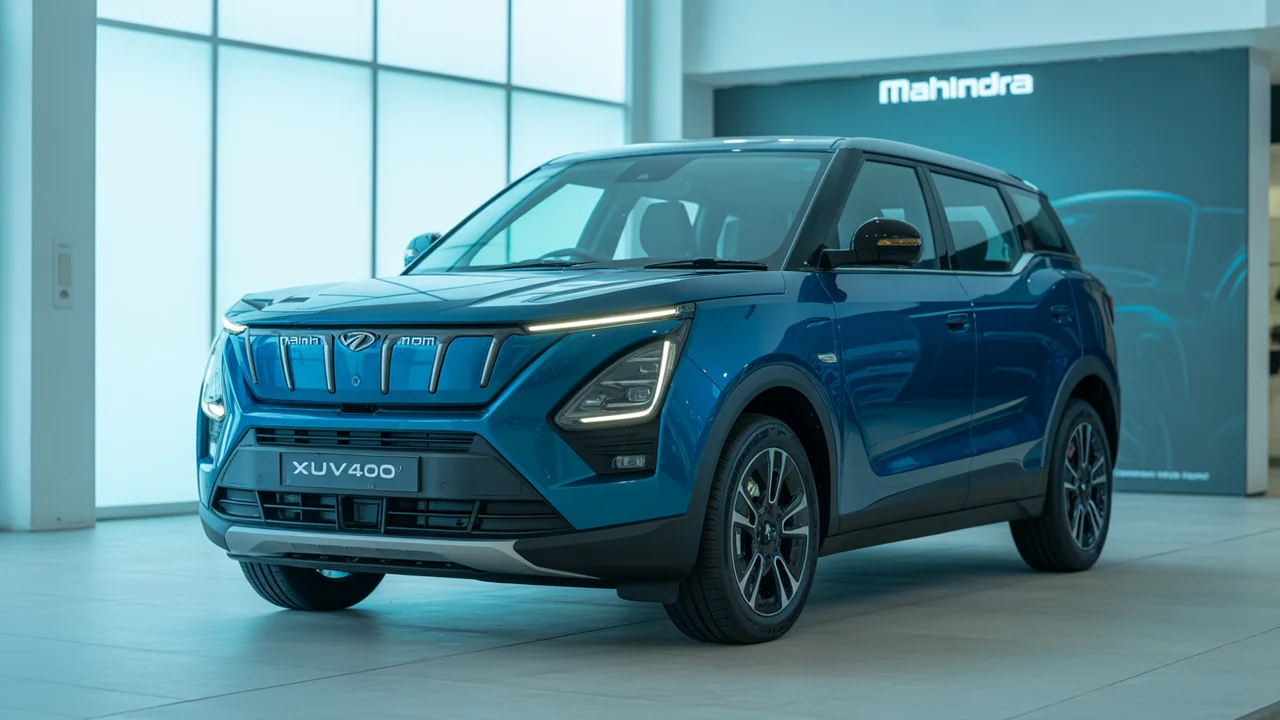
Mahindra XUV400 EV 2026 targets a wider electric SUV audience
Mahindra is continuing its push in the mass-market EV category with the XUV400 EV 2026. The updated electric SUV is being positioned around a certified driving range of about 350 km, a figure that places it among the more practical options for daily commuting and moderate inter-city travel.
While the model name stays familiar, the focus for 2026 appears to be on keeping the XUV400 relevant as competition increases and buyers compare range, charging convenience, and real-world usability.
Certified range claims and what they typically mean
The headline number for the XUV400 EV 2026 is a certified range of roughly 350 km. Certified figures are usually achieved under standardized test cycles and can differ from real-world results depending on driving speed, traffic, weather, terrain, and use of air conditioning.
For many EV shoppers, the more important takeaway is whether the claimed range offers a comfortable buffer for routine usage. In most urban scenarios, a certified 350 km rating generally suggests fewer charging stops during the week, especially for drivers with access to home or workplace charging.
Where the XUV400 EV sits in the electric SUV market
The electric SUV space has become more crowded, with buyers expecting a mix of range, cabin space, and everyday features without pushing prices into premium territory. The XUV400 line has previously aimed for that middle ground, and the 2026 version appears to continue in the same direction with a range figure meant to address range anxiety.
Mahindra’s approach also reflects a broader shift in the segment: customers are no longer judging EVs only by novelty, but by how seamlessly they fit into regular driving patterns.
Practical considerations: charging, driving habits, and planning
Range numbers are only one part of EV ownership. Charging speed, charger availability, and a driver’s typical routes often matter just as much. A 350 km certified range can reduce the need for frequent public charging, but longer trips will still depend on planning around highway charging infrastructure.
Driving style can also make a noticeable difference. Smooth acceleration, moderate cruising speeds, and mindful use of climate control can help preserve range, while high-speed driving and extreme temperatures can reduce it.
What to watch for as details emerge
Key details buyers typically look for include battery capacity, charging times for AC and DC charging, feature updates, and any changes to pricing and variant lineup. Official specifications and equipment lists will clarify how the 2026 update stacks up against rivals in terms of value.
For now, the certified 350 km range claim sets the tone: Mahindra wants the XUV400 EV 2026 to be seen as a practical electric SUV rather than a niche purchase.
FAQs
1) Is the 350 km range a real-world number?
It is a certified figure from a standard test cycle; real-world range can be higher or lower depending on conditions and driving style.
2) Who is the Mahindra XUV400 EV 2026 likely aimed at?
It is likely aimed at buyers who want an electric SUV for daily commuting with enough range headroom for occasional longer drives.
3) What factors can reduce an EV’s range the most?
High speeds, heavy traffic with frequent acceleration, extreme temperatures, hilly routes, and heavy use of air conditioning or heating can reduce range.
4) What information should buyers check beyond range?
Charging time (AC/DC), battery warranty, service support, feature list, safety equipment, and expected real-world efficiency are key factors to compare.