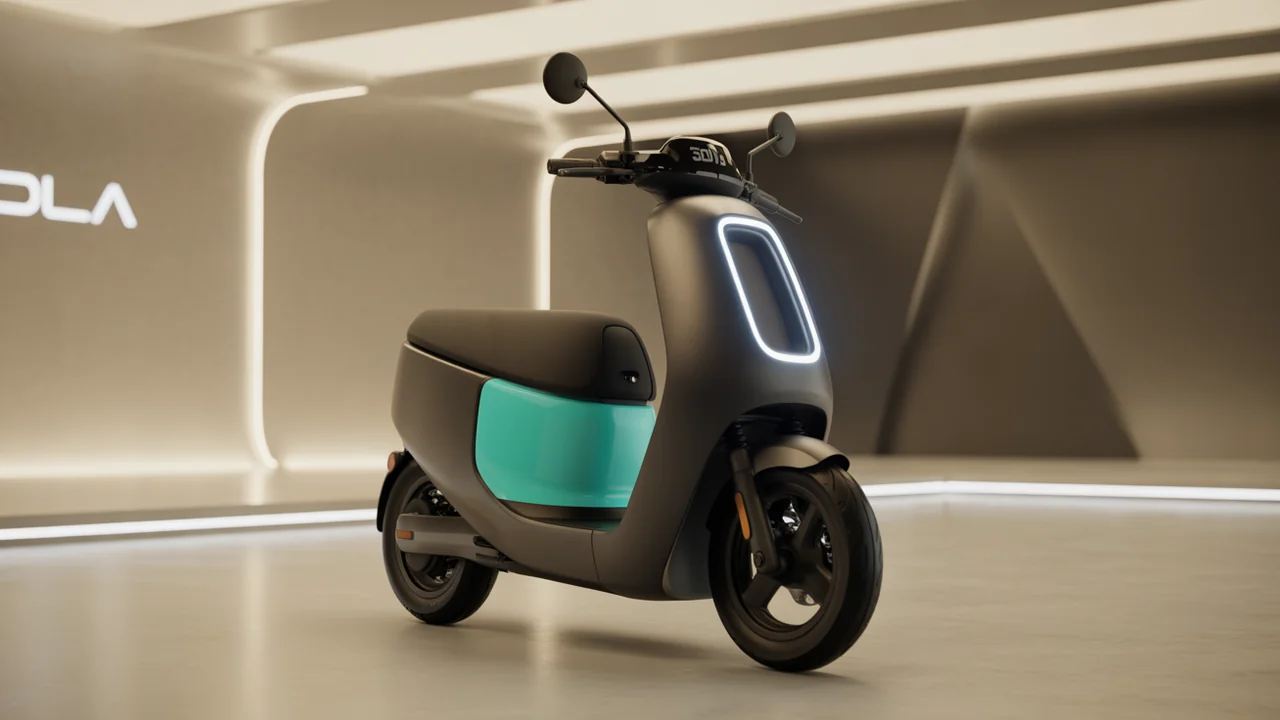
Ola S1 Air 2026 focuses on range and everyday commuting
Ola Electric has highlighted the S1 Air 2026 as a youth-oriented electric scooter, with a claimed riding range of up to 170 km. The figure is presented as a headline metric for buyers who want fewer charging stops and more flexibility for daily travel.
The model sits in Ola’s S1 lineup and is positioned around city use, where range, ease of handling, and running costs are often key decision points.
170 km claimed range: what it likely means in practice
The 170 km number is a claimed range, which typically depends on test conditions such as steady speeds, moderate acceleration, rider weight, tyre pressure, road surface, and ambient temperature. Real-world range can be lower, especially with frequent stop-and-go traffic, higher speeds, or riding with a passenger.
For many riders, the more practical question is how much distance the scooter can cover between charges on their usual route, rather than the maximum figure under ideal conditions.
Why the youth angle matters
Companies often target younger buyers with products that balance commuting needs with style, connected features, and predictable ownership costs. In the case of an electric scooter, range and charging convenience tend to be central to that pitch.
If the scooter can deliver a consistent usable range, it may appeal to students and first-job commuters who rely on a single vehicle for multiple trips in a day.
Urban use and charging considerations
Even with a long claimed range, charging access remains a major factor for potential owners. Home charging is typically the easiest option, while apartment parking and shared charging points can be more complicated depending on local infrastructure.
Charging time, battery health over time, and service availability are also common concerns in the EV scooter segment, and may influence purchase decisions as much as range claims.

Competition and what buyers may compare
The electric scooter market has become increasingly crowded, and range is only one part of the comparison. Buyers often look at price, warranty terms, service network coverage, ride comfort, storage space, safety features, and software reliability.
As more models advertise higher range numbers, consumers may pay closer attention to independent tests and owner reports to understand day-to-day performance.
What to watch next
More clarity is expected to come from detailed specifications, real-world testing, and early user feedback. For prospective buyers, published charging details and standard test cycles used for range estimation can help set expectations.

FAQs
Is the 170 km figure a real-world range?
It is a claimed range, and real-world results can vary based on speed, traffic, rider weight, weather, and riding style.
Who is the Ola S1 Air 2026 aimed at?
It is positioned as a youth-focused option, likely emphasizing commuting needs such as practical range and everyday usability.
What factors reduce electric scooter range most?
High speeds, rapid acceleration, frequent stops, steep gradients, low tyre pressure, cold weather, and carrying extra load can all reduce range.
What should buyers check besides range?
Charging time and access, warranty coverage, service availability, ride comfort, storage, safety features, and software/feature stability are common comparison points.